Your pocket birdwatch

Random Bird Generator

Raise the binoculars. This random bird generator reveals one real species at a time—read its field marks, then keep a rolling log of three sightings.

Good lightperfect for spotting
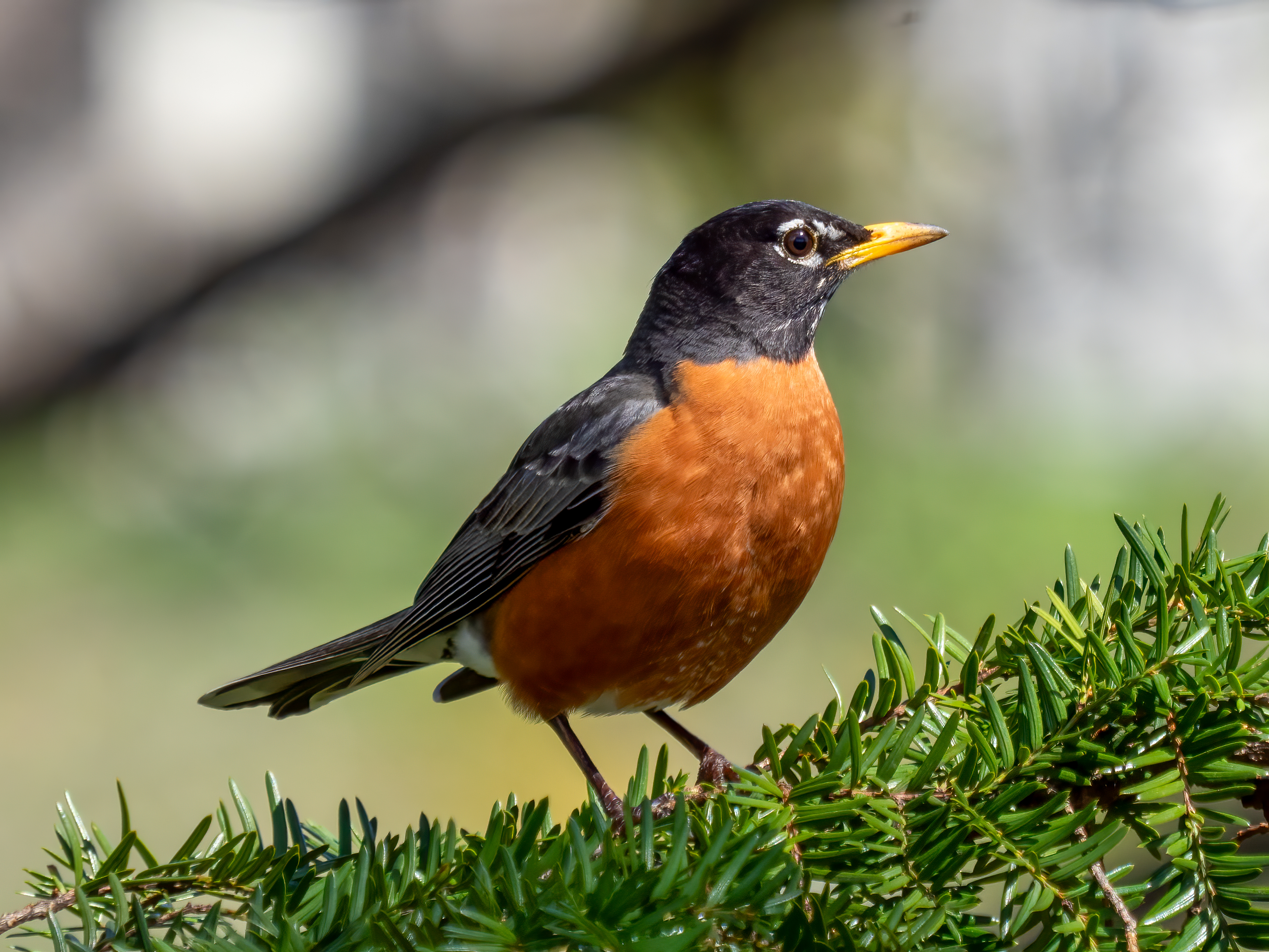
American Robin (Turdus migratorius) seen through binoculars
Adjusting focusThe identity stays hidden until you scan.

Curated from 12 real species across 9 orders

Pocket notebook

Your last three sightings

0/3 positions filled

  1. 01
    Unwritten

    Scan again to add the next bird.

  2. 02
    Unwritten

    Scan again to add the next bird.

  3. 03
    Unwritten

    Scan again to add the next bird.

A fourth sighting rolls the oldest note out of this three-frame field strip.

Binoculars ready.

Not a name list

What is a random bird generator?

One bird you didn't choose

A random bird generator hands you one species at random. Most versions shuffle a plain list of names; this one behaves like a pocket birdwatch. You raise the binoculars, a real bird comes into focus, and the card underneath reads like a page from a field notebook—field mark, movement, where to look.

Real photos, real credit

Every reveal uses an openly licensed photograph from Wikimedia Commons, credited on the card and on the site's credits page. When the collection has a reusable recording of the exact species, you can hear it too—silence is never filled with an invented call.

And when you want fiction

Real birds are the raw material here. When you would rather invent one, feed a sighting into the hybrid creature generator—or leave the sky entirely and try the random fish generator's five water depths.
A better random result

Read the bird before you name it

A photograph is not just a reveal. The Cornell Lab teaches four durable identification keys: size and shape, color pattern, behavior, and habitat. This generator writes one observation from each pass into the species dossier, so every draw practices an actual field habit. Read the Cornell Lab's Four Keys to Bird Identification.

Silhouette

Size & shape

Start with wing, bill, tail, neck, and posture. These survive poor light better than color.

Surface

Color pattern

Notice blocks and contrast before chasing exact shades that change with light or age.

Action

Behavior

Running, hovering, soaring, diving, and clinging can narrow the field faster than a still image.

Context

Habitat

Ask whether the bird belongs over open water, inside reeds, on tundra, or high in a canopy.

Thirty seconds to your first sighting

How to use this random bird generator

Reveal a bird

Press the scan button and the blurred shape in the lenses sharpens into one of 12 real species—songbirds, raptors, waterbirds and two tropical show-offs.

Read it like a birder

The identification card gives a field mark, a movement cue and a place to look, plus taxonomy, size and diet. Optional audio plays only verified recordings.

Fill your field log

Each distinct sighting joins a rolling three-frame notebook. Fill it, read it back, then scan again—think of it as the first page of a life list.

The notebook's range

Twelve birds, arranged as four ways of looking

Prefer to browse before you scan? This is the random bird generator's whole deck, grouped by where each species tends to appear.

Who scans here

What birders, teachers and artists do with a random bird

Classroom bird of the day

Reveal one bird to open a lesson, read its field marks aloud, then follow the species page for range, diet and facts. Twelve birds is enough for a rotating two-week unit.

Drawing & writing prompts

Let the reveal choose your subject: sketch the silhouette before reading the notes, or write the scene the habitat cue describes. Artists can push further and remix animals into an imaginary hybrid creature.

Identification practice

Treat each random bird generator reveal as a drill in the four keys—size and shape, color pattern, behavior, habitat—so the habit is ready when a real bird refuses to sit still.

A daily three-bird walk

Scan until the field log is full and read all three entries like a morning walk's notebook page. Tomorrow's flock will be different.

Margin notes worth keeping

Field facts from the flock

Heard before seen

The American robin often announces itself first: a clear, repeated dawn phrase from an exposed perch.

Female cardinals sing

Don't dismiss the quieter-colored bird—northern cardinal females sing too, a trait many songbirds lack.

A raptor can look wrong

Immature bald eagles can look entirely dark for years; requiring the white head misses most young birds.

An owl that works days

The snowy owl may hunt in full daylight, scanning open ground from a low mound rather than a tree.

A seabird's real home

Away from its breeding colony, the Atlantic puffin spends most of its year on open water, flying low over the waves.

The train is not a tail

The Indian peafowl's famous train is formed by elongated upper-tail coverts—the true tail hides beneath.

Field questions

Random bird generator FAQ

What is a random bird generator?

A random bird generator picks one bird species at random and shows you what makes it identifiable. This one reveals each of its 12 real birds through on-page binoculars, with a field mark, a behavior cue, a place to look and an openly licensed photograph—closer to a birdwatching drill than a shuffled name list.

How does the random bird generator work?

Raise the on-page binoculars to reveal one bird from a hand-reviewed set of 12 real species. Each sighting includes a field mark, behavior cue and place to look. Your latest three distinct results stay in a rolling field log.

Is it free to use?

Yes—the random bird generator is free, unlimited and needs no account. The wider site earns its keep elsewhere, so this page can stay a clean identification-practice tool.

Does every bird result include a sound?

No. Audio appears only when the underlying collection has an openly reusable recording for that exact species. A missing recording stays silent rather than being replaced with a generic or invented bird call.

Are the bird photographs real?

Yes. The results use openly licensed photographs from Wikimedia Commons. Every revealed bird keeps the photographer, licence and original image source attached to the identification card.

Where are my three sightings saved?

The three-frame field log lives on the page while you explore, and reloading starts a fresh notebook. To keep reading about a bird beyond the log, open its full species page from the identification card.

What should I notice when identifying a bird?

Start with size and shape, then color pattern, behavior and habitat. Silhouette and movement often remain useful when distance or poor light makes exact colors unreliable.

Is this the same as the random parrot generator?

No. This random bird generator spans 12 birds across multiple orders and builds a field observation log. The random parrot generator focuses only on parrots, plumage-based naming and creative remixing.

Only parrots? Use the random parrot generator for 58 species, plumage names and creature remixes.